Biomedical Axonology, Xenoanalytics and Anatomical Neuroengineering


Xenoanalytical Investigation and Molecular Characterization
The analytical investigation of biological and non-biological substances requires precise methodologies capable of identifying their composition, evaluating their properties, and examining their interactions under controlled experimental conditions.
Xenoanalytical research encompasses specialized approaches for studying compounds, foreign molecular structures, synthetic substances, and complex chemical compositions. It brings together analytical chemistry, biochemical characterization, molecular identification, and instrumental measurement.
Our approach emphasizes the relationship between sample preparation, analytical separation, signal detection, and interpretation of experimental results.
Areas of scientific exploration include:
Molecular identification and compositional profiling.
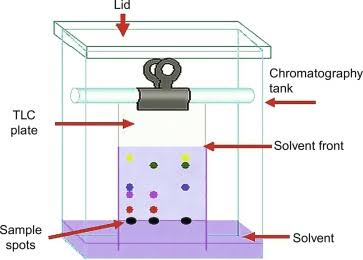
Chromatographic separation and analytical detection.Learn more
Chemical characterization of complex mixtures.
Spectroscopic investigation of molecular structures.
Biochemical analysis of experimental samples.
Comparative evaluation of analytical methodologies.
Investigation of molecular interactions and material composition.
Analytical techniques such as chromatography, mass spectrometry, spectroscopy, and complementary biochemical methods provide valuable information for understanding the properties of complex substances.


Biomaterials and Biological Interface Research
Biomaterials occupy an important position within contemporary biomedical investigation because of their structural diversity and their potential interactions with biological environments.
Understanding these materials requires the evaluation of their chemical composition, surface characteristics, mechanical properties, and behavior under different experimental conditions.
Our scientific interests include the characterization of polymeric structures, the investigation of material surfaces, and the study of interactions between biological components and engineered substances.
Research topics include:
Polymer structure and physicochemical properties.
Surface characterization and material morphology.
Biological interfaces and cellular interactions.
Material stability under experimental conditions.
Structural properties of engineered biomaterials.
Analytical evaluation of synthetic and biological compounds.
Combining material science with biochemical and anatomical investigation provides a broader perspective on the structural requirements of biomedical technologies.
Experimental Methodologies and Scientific Investigation
Reliable biomedical research depends on well-defined experimental methodologies, appropriate analytical instruments, and systematic evaluation of collected data.
Our methodological perspective emphasizes the importance of experimental design, sample preparation, measurement accuracy, and reproducible scientific procedures.
Different investigative approaches can be integrated according to the characteristics of the biological system or material under examination.

Molecular and biochemical investigation
Molecular characterization methods support the examination of cellular components, biochemical pathways, and molecular interactions. These approaches include nucleic acid analysis, protein characterization, enzymatic measurements, and biochemical profiling.

Microscopic and structural examination
Imaging methodologies provide opportunities to investigate cellular morphology, tissue organization, material surfaces, and microscopic structural variations.

Computational and quantitative analysis
Computational methodologies facilitate the organization, visualization, and interpretation of experimental datasets. Statistical evaluation and structural modeling can provide additional perspectives on biological and material-related observations.
Instrumental analytical techniques
Chromatographic and spectrometric approaches contribute to the identification and quantification of chemical constituents and the characterization of complex experimental samples.
Interdisciplinary Research and Technological Development
Scientific progress increasingly depends on collaboration between disciplines that traditionally investigate different aspects of biological and technological systems.
The integration of neurobiology, analytical chemistry, biomaterials, anatomical sciences, and engineering creates opportunities to develop more comprehensive research methodologies.
Our interdisciplinary framework is structured around several complementary scientific directions:

Neurobiological exploration: investigating neuronal structures, axonal organization, and cellular mechanisms.
Advanced analytical investigation: examining molecular composition and chemical properties through instrumental methodologies.
Anatomical modeling: studying biological structures through imaging, reconstruction, and computational representation.
Biomaterial characterization: evaluating the structural and physicochemical properties of specialized materials.
Experimental optimization: improving analytical procedures and research methodologies through systematic assessment.
These interconnected fields establish a scientific environment in which biological complexity can be examined through multiple methodological perspectives.

Emerging Directions in Biomedical Technologies
The continuous development of analytical instruments, imaging systems, computational tools, and engineered biological materials is expanding the possibilities of biomedical research.
Several emerging directions offer particularly interesting opportunities for interdisciplinary exploration.
Computational neuroanatomy
Digital reconstruction and computational modeling are providing increasingly detailed ways to represent neural structures and investigate their spatial organization. Learn more
Advanced molecular analytics
Improvements in analytical sensitivity and molecular detection are contributing to more detailed investigations of complex biological and chemical samples.
Intelligent biomaterial characterization
The combination of material science, imaging, and quantitative analysis is supporting new approaches to evaluating specialized biological interfaces. learn more
Integrated experimental platforms
The convergence of imaging technologies, molecular analysis, and computational processing is creating opportunities for more coordinated experimental investigations.
Data-driven scientific methodologies
Computational interpretation and structured scientific datasets are becoming increasingly important for identifying patterns, evaluating experimental variability, and supporting research development.
A Structured Perspective on Scientific Innovation
Biomedical investigation requires a continuous dialogue between theoretical knowledge, experimental observation, and technological development.
Our scientific orientation brings together several complementary disciplines to encourage a structured examination of biological organization, molecular composition, and engineered anatomical systems.
By connecting neurobiological principles with analytical chemistry, biomaterial science, and engineering methodologies, this multidisciplinary perspective supports a deeper understanding of the mechanisms and structures that define complex biomedical environments.
The emphasis remains on scientific rigor, methodological development, and the exploration of innovative approaches to biological and technological questions.